Understanding the Importance of Play Kitchens
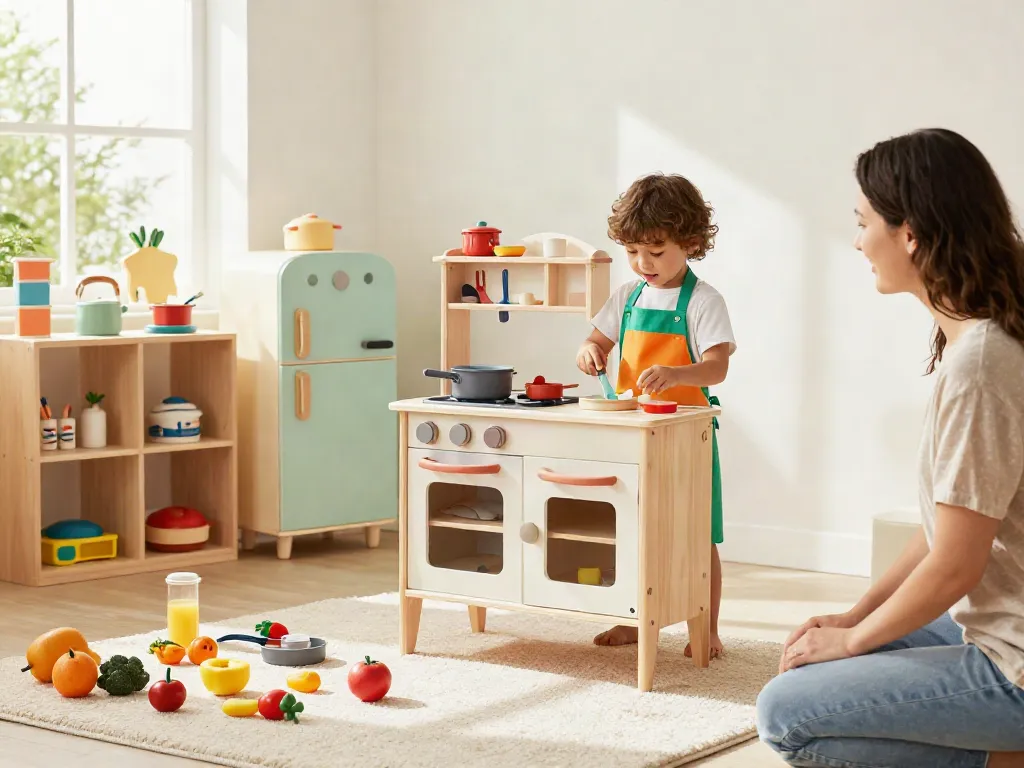
Play kitchens have become a staple in many households, serving as a foundation for imaginative play and various developmental benefits. They are not just toys but tools that engage children in creative scenarios, mimicking real-life cooking experiences. When exploring options, play kitchen sets are available in various styles and materials, making it easier for parents to find the perfect fit for their child.
Why Every Child Needs a Play Kitchen?
Every child deserves a space where they can explore, create, and express themselves. A play kitchen provides that space. It encourages independent play, critical thinking, and problem-solving skills. Children can role-play as chefs, parents, or restaurant owners, allowing them to experience different perspectives and develop empathy.
Benefits of Pretend Play in Early Development
Pretend play is essential for cognitive and social development. By engaging in make-believe scenarios, children learn about social roles, enhance their imagination, and improve their communication skills. Play kitchens facilitate this type of play, offering tools and scenarios that mimic real life, thus preparing children for future social interactions.
How Play Kitchens Foster Imagination and Creativity
Imagination is a crucial aspect of childhood development. Play kitchens stimulate creativity by allowing children to invent stories and create dishes. They can mix ingredients, serve imaginary guests, or even host elaborate tea parties, showcasing their creativity while also learning about food and cooking in a fun, engaging way.
Choosing the Right Play Kitchen
Selecting the right play kitchen involves considering various factors, including the child's age, space availability, and personal preferences. Play kitchens vary widely in design, materials, and interactive features. Choosing one that meets the child's interests while being age-appropriate ensures a rewarding and engaging experience for both the child and their caregivers.
Key Features of a Quality Play Kitchen
A high-quality play kitchen should have functional features that enhance the play experience. Look for models with:
- Realistic appliances such as ovens, microwaves, and refrigerators.
- Durable materials that can withstand active play.
- Safe edges and no small parts that could pose choking hazards.
- Interactive elements, like lights and sounds, to engage children further.
Wooden vs. Plastic Play Kitchens: Which is Best?
When it comes to material, both wooden and plastic play kitchens have unique advantages. Wooden kitchens offer durability and a classic aesthetic, often appealing to a timeless, rustic look. They tend to be more robust, potentially lasting through multiple children or years of play. On the other hand, plastic kitchens are usually lighter, easier to clean, and often come with a variety of vibrant colours and features. The choice between wooden and plastic ultimately depends on your child's preferences and the kind of play environment you wish to create.
Safety Considerations When Buying a Play Kitchen
Safety is paramount when selecting a play kitchen. Always check for safety certifications, ensuring the materials used are non-toxic and safe for children. Look for kitchens with rounded edges and stable designs to prevent tipping. Regular safety checks on the play kitchen for wear and tear can also help maintain a safe play environment.
Enhancing the Play Kitchen Experience
To maximise the benefits of a play kitchen, consider incorporating various accessories and creating a themed environment that fuels imagination and creativity. These enhancements can elevate a child's play experience and deepen their engagement with pretend cooking scenarios.
Interactive Accessories to Boost Imaginative Play
Interactive accessories such as pretend food, cooking utensils, and serving sets can significantly enhance playtime. Look for sets that include a variety of food items, from basic ingredients to complete meal sets, allowing children to create a wide range of dishes. Accessories such as aprons and chef hats can also encourage roleplaying, making the experience more immersive.
How to Create a Themed Play Kitchen Environment
Themed play environments can make playtime more exciting. You can set up a café, a restaurant, or an ethnic cuisine theme that resonates with your child’s interests. Incorporating elements like menus, decoration, and designated play areas can transform the play kitchen into a lively hub of creativity.
Incorporating Real Cooking Tools for Learning
Integrating real cooking tools safely into play can bridge the gap between pretend play and real-life skills. Providing child-safe kitchen tools can help children learn basic cooking techniques while having fun in their play kitchen. This method encourages hands-on learning and reinforces the concepts of cooking creatively and safely.
Engaging Children with Cooking Activities
Cooking activities can serve as both educational and fun. They provide countless opportunities for learning, from reading recipes to understanding measurements, while also ensuring quality family time. Engage your child with cooking through simple recipes that can be mimicked in their play kitchen.
Fun and Easy Recipes for Pretend Cooking
Start with simple recipes that are easy to replicate in play. For instance, making a pretend pizza can involve various toppings and a fun discussion about ingredients. Create a “menu” for your child to use, encouraging them to make different meals each time they play. This not only aids in vocabulary expansion but also enhances their understanding of different cuisines.
Games and Role-Play Scenarios for the Kitchen
Games such as “MasterChef” or “Restaurant” can be exciting additions to play kitchen activities. Children can take turns being the chef and the customer, allowing them to use their imagination actively. Promoting role-play scenarios offers them the chance to practice social skills while enjoying creative, hands-on activities.
Cooperative Play Ideas with Friends and Family
Encouraging children to play with friends or family can amplify the experience significantly. Cooperative play can involve larger cooking projects, where children can work together to create a pretend dinner party. This fosters teamwork, sharing, and communication skills while making playtime more enjoyable.
Future Trends in Play Kitchens
The market for play kitchens continues to evolve, incorporating innovative features and sustainable practices. As we move towards 2026, understanding these trends will help parents and caregivers choose the best options for their children.
Innovative Features to Look for in 2026
Expect to see more technologically integrated play kitchens featuring smart technology. Innovative features could include touchscreen interfaces, integration with apps for recipe ideas, or interactive cooking lessons. These advancements will enhance learning opportunities while keeping play engaging and modern.
Eco-Friendly Materials and Sustainable Practices
With a growing awareness of environmental issues, eco-friendly materials are becoming increasingly popular in the toy industry. Look for play kitchens made from sustainable wood or recycled materials, ensuring a lower environmental impact. Brands committed to sustainability often provide reassurance that their products are safe for children and the planet.
Predictions for the Evolution of Play Kitchens
As we look ahead, play kitchens are likely to become even more interactive, blending real cooking experiences with digital learning tools. The focus will shift towards products that not only facilitate imaginative play but also offer authentic learning experiences, teaching children about nutrition, and cooking techniques in a fun and engaging way.
What age should a kid get a play kitchen?
Most experts suggest that play kitchens are ideal for children aged two to six, as this age range is when imaginative play starts to develop. However, older children may also enjoy them, especially when integrated with games and cooking activities.
How much does a play kitchen cost?
The price of play kitchens can vary significantly based on size, material, and brand. You can find basic models starting at around £50, while larger, more elaborate kitchens can cost £200 or more. Setting a budget helps narrow down options, ensuring you choose the best fit for your family.
Is it worth getting a play kitchen?
A play kitchen can provide numerous benefits, including fostering creativity, social skills, and cognitive development. The investment can be worth it if you choose a durable, high-quality model that will withstand years of use and appeal to your child's growing interests.
Which play kitchen is the best?
The best play kitchen will vary for each child based on their interests and your family’s needs. Look for well-reviewed brands that offer features aligning with your child's preferences. Always consider safety, durability, and the potential for creative play when making your choice.
What are the best accessories for a play kitchen?
Useful accessories include pretend food items, cookware, utensils, and child-sized aprons. Items that encourage role-play, such as menus and themed decorations, can enhance the play kitchen experience significantly and make it even more engaging.