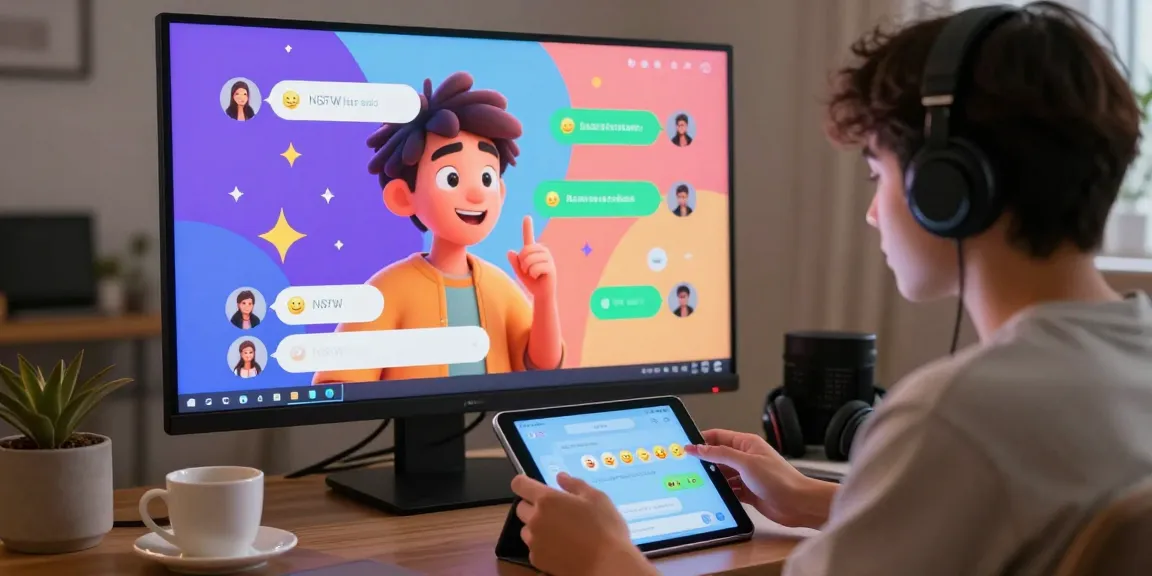
Engaging NSFW AI chat scene showcasing playful character interaction and a modern interface.

NSFW AI Chat Scored: Our Rating System Reveals Essential Insights for 2026

Understanding NSFW AI Chat

In the rapidly evolving digital landscape, NSFW AI chat has emerged as a captivating intersection of technology and adult entertainment. These platforms enable users to engage in conversations with AI-driven characters designed to provide stimulating and interactive experiences. Today, users are not only seeking companionship but are also drawn to the thrill of personalized, unrestricted interactions. As demand grows, it becomes essential to understand what NSFW AI chat entails, its evolution, and the features that distinguish various platforms in this niche market. For those venturing into this realm, nsfw ai chat offers a comprehensive experience tailored to individual desires.

What is NSFW AI Chat?

NSFW AI chat refers to platforms where users can engage in conversations with AI characters that are designed to be explicitly adult-oriented. Unlike traditional chatbots, these AI-driven characters utilize advanced algorithms to create personalized interactions, responding to user prompts with a range of emotions and dialogues that can be both humorous and intimate. Essentially, they are virtual companions capable of engaging in spontaneous discussions that can veer into erotic themes.

The Evolution of AI in Adult Conversations

The journey of AI technology in adult conversations began with simple text-based interactions. Early chatbots were limited in scope, often relying on predefined responses. However, advancements in natural language processing (NLP) and machine learning have enabled the development of more sophisticated models that understand context and can simulate human-like conversations. This evolution has allowed NSFW AI chat platforms to provide users with a more immersive and engaging experience, breaking down barriers of traditional adult content consumption.

Key Features of Top NSFW AI Chat Platforms

  • Customizability: Users can often create or modify their AI companions, adjusting their personalities, appearances, and preferences to better suit their desires.
  • Real-time Interaction: Many platforms offer real-time conversation capabilities, allowing for dynamic exchanges that feel genuine and spontaneous.
  • Privacy Controls: To enhance user comfort, leading platforms integrate strong privacy features, allowing users to remain anonymous while engaging.
  • Content Variety: Users can experience a vast range of interactions, from flirtatious banter to deeply intimate conversations, catering to various tastes and preferences.

Benefits of NSFW AI Chat

Enhanced Privacy and Anonymity

One of the most significant advantages of engaging in NSFW AI chats is the level of privacy they provide. Unlike traditional adult interactions, users can maintain complete anonymity, discussing their desires and fantasies without fear of judgment. This aspect is particularly appealing for individuals who might be hesitant to explore their interests openly in real life.

Customizable User Experiences

Customization is central to many NSFW AI platforms. Users can choose the characteristics of their AI companions, including attributes such as personality traits, interests, and communication styles. This level of personalization allows for a unique experience tailored entirely to the user’s preferences, enhancing engagement and satisfaction.

Engaging and Interactive Content

The interactive nature of NSFW AI chats keeps users engaged. With AI that learns and adapts over time, conversations can evolve in complexity and depth, maintaining user interest. Furthermore, many platforms incorporate gamification elements, such as achievements and rewards, enhancing the overall user experience.

Challenges and Controversies

Addressing Concerns Around Content Moderation

While the NSFW AI chat industry offers numerous benefits, it also faces challenges, particularly concerning content moderation. The lack of regulation in adult content can lead to issues such as inappropriate dialogues or the dissemination of harmful stereotypes. Providers must implement robust moderation policies and algorithms to ensure a safe and enjoyable experience for all users.

Understanding User Safety and Consent

User safety is paramount in NSFW AI chats. Platforms must ensure that user interactions are consensual, emphasizing the importance of clear communication and boundaries. Additionally, implementing features that allow users to report inappropriate behavior or modify conversational boundaries can help maintain a respectful atmosphere.

Legal Implications of NSFW AI Chats

The legal landscape surrounding NSFW AI chats is still developing. Issues related to copyright, data privacy, and user consent require careful navigation. Companies must stay informed about current laws and regulations to protect both themselves and their users, ensuring compliance as the market continues to evolve.

Best Practices for Engaging in NSFW AI Conversations

How to Create Safe and Fun Interactions

Creating enjoyable and safe interactions within NSFW AI chats requires adherence to certain best practices. Users should initiate conversations with clear intentions and boundaries, ensuring that both parties understand what is acceptable. Additionally, utilizing platforms that prioritize user security and privacy can significantly enhance the experience.

Techniques for Enhancing Engagement

To maximize enjoyment during NSFW chats, users should leverage the customizable features of their chosen platforms. Experimenting with various conversation styles, themes, and character traits can lead to more engaging interactions. Furthermore, sharing feedback with the platform can help improve the AI’s responsiveness and adaptability.

Using Feedback for Continuous Improvement

Engagement in NSFW chat platforms is a two-way street. Users should provide constructive feedback, allowing developers to refine algorithms and enhance the overall user experience. This collaboration fosters a community where both users and creators contribute to the platform’s evolution.

The Future of NSFW AI Chat

Emerging Trends to Watch in 2026

As technology advances, the NSFW AI chat landscape is poised for significant growth. Expect to see innovations in virtual reality (VR) and augmented reality (AR), which will provide users with even more immersive experiences. Moreover, advancements in emotional AI could lead to more nuanced interactions that mimic complex human emotions, enhancing connection and authenticity.

How Technology Will Shape User Experiences

Future developments in machine learning and natural language processing will further enrich user experiences in NSFW AI chats. Enhanced algorithms will enable AI characters to respond more accurately to emotional cues and user preferences, creating interactions that feel increasingly real and engaging.

Predictions for Market Growth and Innovation

The NSFW AI chat market is expected to expand, driven by user demand, technological advances, and an increasing acceptance of AI in everyday life. Companies will likely invest in research and development to create more advanced, user-friendly platforms that cater to diverse needs and preferences.

What are the Current Popular NSFW AI Chat Platforms?

As of 2026, several platforms dominate the NSFW AI chat space, each offering unique features. From customizable characters to immersive interactions, options like CrushOn AI, OurDream, and SpicyChat are at the forefront, providing users with a variety of experiences tailored to their preferences.

Are NSFW AI Chats Safe for Users?

While many platforms prioritize user safety through anonymity and content moderation, it’s essential for users to remain vigilant. Engaging in NSFW chats should always involve respectful communication and the understanding of personal boundaries. Selecting platforms with a solid reputation for safety features is crucial.

How Can Users Customize Their Chat Experience?

Most NSFW AI platforms offer robust customization options, allowing users to adjust their AI companions’ attributes, from personality traits to conversational styles. This personalization enhances user satisfaction and improves interaction quality, tailoring the experience to meet specific desires.

What Should Users Look for in NSFW AI Platforms?

When selecting an NSFW AI chat platform, users should consider several factors: privacy policies, customization options, content variety, and user reviews. A platform that allows for flexibility in interactions and ensures user safety will often provide a more enjoyable experience.

What Role Does AI Play in Enhancing Conversations?

AI plays a significant role in enhancing conversations by utilizing data-driven algorithms to provide personalized interactions. By analyzing user behavior and preferences, AI can dynamically adapt dialogue, ensuring that conversations remain relevant and engaging, which is pivotal in the realm of NSFW interactions.
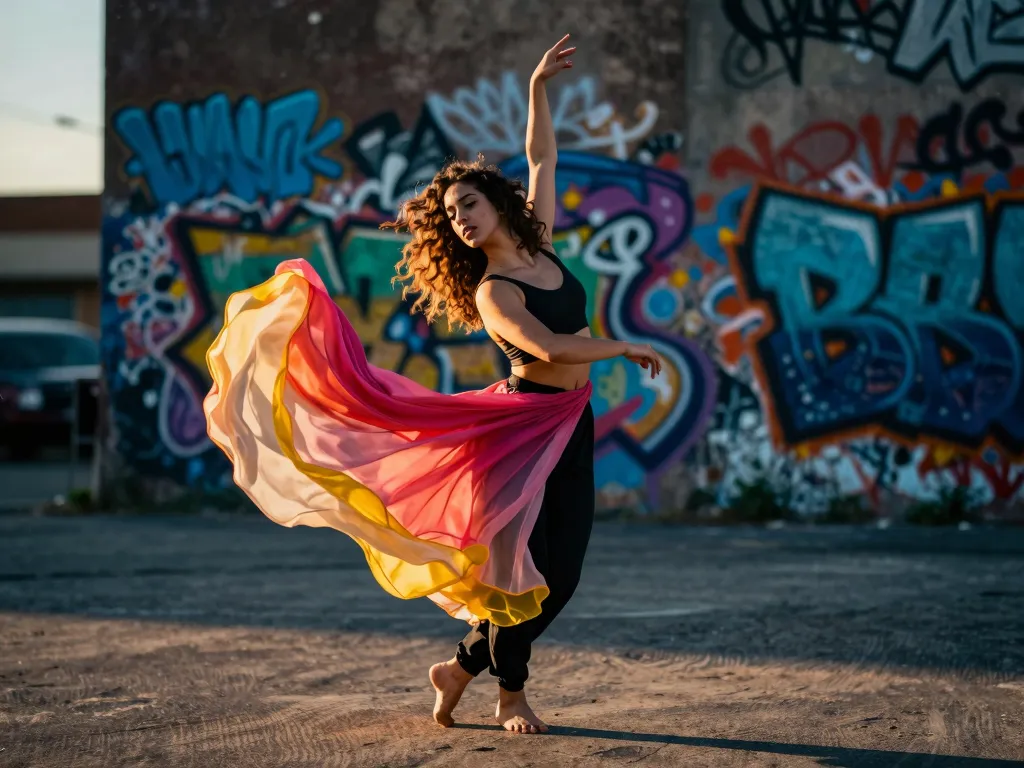
Captivating Artistic Trends Shaping Today’s Entertainment Scene

Understanding the Foundations of Arts & Entertainment

The realm of Arts & Entertainment encompasses a vast array of creative expressions, cultural narratives, and performance arts that have shaped societies throughout history. From the earliest cave paintings to the latest digital installations, this field reflects humanity’s capacity for imagination and communication. This section aims to provide a comprehensive overview of the foundations of Arts & Entertainment, including its definitions, historical evolution, and the influence of cultural contexts.

Defining Arts & Entertainment: A Comprehensive Overview

Arts & Entertainment can be broadly defined as the collective means through which individuals express themselves creatively and engage audiences. This includes various forms of artistic expression such as visual arts, music, theater, dance, literature, and digital media. The distinction between ‘arts’ and ‘entertainment’ often blurs, as many artistic pursuits are also intended for entertainment purposes.

At its core, the arts serve to challenge perceptions, evoke emotions, and provoke thought, while entertainment is generally aimed at providing enjoyment and pleasure. However, the two can coexist harmoniously, as seen in musicals and theatrical performances that combine narrative storytelling with artistic expression.

  • Arts: Includes visual arts (painting, sculpture), performing arts (theater, dance), literature, and more.
  • Entertainment: Primarily focused on providing enjoyment through activities like film, music, and comedy.

Historical Evolution of Arts & Entertainment

The evolution of Arts & Entertainment is deeply interwoven with the development of human civilization. From the prehistoric era, where cave paintings served as the first forms of artistic expression, to the elaborate performances in ancient Greece, the history of the arts reflects societal changes, technological advancements, and cultural exchanges.

During the Renaissance, the arts flourished with the emergence of iconic figures like Michelangelo and Leonardo da Vinci, who pushed the boundaries of artistic techniques and expression. The invention of the printing press in the 15th century revolutionized literature by making books more accessible, leading to a surge in literacy and the consumption of written arts.

In the 20th century, the introduction of film and radio transformed entertainment, while movements like Modernism and Postmodernism redefined artistic boundaries. Today, the digital revolution has ushered in new forms of expression, making art and entertainment more interactive and accessible than ever before.

The Role of Cultural Context in Arts & Entertainment

Cultural context plays a crucial role in shaping both the production and reception of arts and entertainment. Each culture brings its unique traditions, values, and historical narratives that influence artistic expression. For instance, African tribal art often reflects communal beliefs and practices, while Western art movements have been shaped by individualism and innovation.

Moreover, social issues such as race, gender, and identity often find expression in artistic endeavors. Consider the impact of the Harlem Renaissance, where African American artists, writers, and musicians utilized their crafts to challenge societal norms and highlight cultural pride.

As globalization continues to blur cultural boundaries, the arts and entertainment landscape becomes increasingly diverse, leading to new hybrid forms that reflect the complexities of contemporary society.

Exploring Various Art Forms and Mediums

This section delves into the myriad forms of art and entertainment, categorizing them into visual arts, performing arts, and digital arts. Each medium offers unique opportunities for expression and audience engagement, fostering a rich tapestry of cultural experiences.

Visual Arts: Painting, Sculpture, and Beyond

Visual arts encompass a wide range of artistic expressions that are primarily visual in nature. This includes traditional forms such as painting and sculpture, as well as contemporary practices like installation art and photography.

Painting, one of the oldest art forms, allows artists to express emotions and concepts through color, form, and composition. Renowned painters like Vincent van Gogh and Pablo Picasso have left indelible marks on the art world with their unique styles and techniques.

Sculpture, on the other hand, involves three-dimensional forms created from materials such as clay, stone, or metal. Modern sculptors like Anish Kapoor and Damien Hirst have pushed the boundaries of sculpture, integrating new materials and technologies into their works.

  • Installation Art: Combines various media to create immersive environments.
  • Photography: A powerful form of visual expression that captures moments and narratives.

Performing Arts: Theatre, Dance, and Music

The performing arts encompass a dynamic range of live performances that engage audiences in real-time. This includes theater, dance, and music, each offering unique avenues for storytelling and emotional expression.

Theater, one of the oldest forms of performing arts, combines elements of drama, dialogue, and visual aesthetics to convey narratives. Iconic playwrights like William Shakespeare and Tennessee Williams have shaped the landscape of theater with their compelling stories and complex characters.

Dance, characterized by its rhythmic movements, serves as a form of expression that transcends language. From classical ballet to modern dance, choreographers like Martha Graham and Martha Clarke have revolutionized the art form, exploring themes of identity and emotion through movement.

Music, often described as the universal language, encompasses various genres and styles, from classical symphonies to contemporary pop. Musicians like Beethoven and Beyoncé have impacted the cultural fabric of society through their innovative compositions and performances.

Digital Arts: The Rise of Multimedia and Interactive Experiences

In recent years, digital arts have emerged as a significant category within the arts and entertainment landscape. This encompasses a variety of practices, including digital painting, animation, video art, and interactive installations.

Digital painting utilizes software to create artwork, allowing for innovative techniques that traditional mediums may not offer. Artists like David Hockney have embraced digital tools, producing captivating pieces that challenge conventional notions of art.

Animation has also gained prominence, with animated films and series captivating audiences worldwide. Disney and Pixar have set industry standards for storytelling through animation, creating beloved characters and narratives that resonate with viewers of all ages.

Interactive experiences, facilitated by technology, allow audiences to engage with art in unprecedented ways. Museums and galleries are increasingly incorporating virtual and augmented reality to enhance visitor experiences, creating immersive environments that blur the lines between art and reality.

The Business of Arts & Entertainment

The arts and entertainment sector operates within a complex business environment that involves funding, marketing, and intellectual property management. Understanding these components is essential for artists and creatives seeking to navigate this landscape effectively.

Funding and Financial Models for Artists and Creatives

Securing funding is one of the most significant challenges faced by artists and creatives. Various financial models exist to support artistic endeavors, ranging from grants and sponsorships to crowdfunding and ticket sales.

Government and private grants can provide essential financial support for artists, enabling them to pursue projects that may not be commercially viable. Organizations like the National Endowment for the Arts (NEA) in the United States offer grants to artists across various disciplines.

Crowdfunding platforms like Kickstarter and Indiegogo have democratized funding, allowing artists to present their projects directly to potential supporters. This model not only raises funds but also builds a community of engaged supporters around the work.

  • Grants: Government and private funding opportunities for artists.
  • Crowdfunding: Engaging the public to raise funds for creative projects.

Marketing Strategies for Arts & Entertainment Projects

Marketing plays a crucial role in the success of arts and entertainment projects. Effective marketing strategies can help artists reach their target audiences and build lasting connections.

One essential strategy is to create a strong online presence through social media platforms, websites, and digital portfolios. Engaging content, such as behind-the-scenes videos, artist interviews, and interactive posts, can foster audience interest and loyalty.

Collaborations with other artists or organizations can also enhance visibility. Joint projects or cross-promotions can introduce artists to new audiences and expand their reach.

  • Social Media: Utilize platforms like Instagram, Facebook, and Twitter to connect with audiences.
  • Collaborations: Partner with other artists for joint projects to enhance visibility.

Understanding Intellectual Property in the Creative Sector

Intellectual property (IP) is a critical consideration for artists and creatives, as it protects their original works from unauthorized use. Understanding IP rights can help artists safeguard their creations and ensure they receive appropriate recognition and compensation.

Copyright, trademark, and patent laws are essential components of intellectual property management. Copyright protects original works of authorship, such as paintings, music, and literature, while trademarks safeguard branding elements like logos and titles. Patents protect inventions, which can apply to innovative artistic techniques or technologies.

Artists should educate themselves about their rights and seek legal advice when necessary to navigate the complexities of intellectual property. Resources like the U.S. Copyright Office provide valuable information on how to register and protect creative works.

Engagement and Audience Interaction

Engagement and interaction between artists and their audiences are vital components of a thriving arts and entertainment ecosystem. This section explores the importance of building communities, utilizing social media, and creating experiential events.

Building a Community: The Importance of Audience Engagement

Building a community around artistic endeavors fosters a sense of belonging and connection. Engaged audiences not only support artists through attendance and purchases but also contribute to the cultural dialogue surrounding their work.

Artists can cultivate community by hosting workshops, artist talks, and open studio events, inviting audiences to participate in the creative process. This interaction allows for meaningful exchanges between artists and their supporters, enriching the overall experience.

For example, organizations like the 92nd Street Y in New York City offer a variety of programs that engage audiences directly with artists, creating a vibrant community around the arts.

  • Workshops: Engage audiences by inviting them to participate in the creative process.
  • Artist Talks: Foster dialogue between artists and audiences to deepen understanding.

Utilizing Social Media for Arts & Entertainment Outreach

Social media has revolutionized the way artists connect with audiences, providing platforms to showcase their work, share their stories, and engage in real-time interactions. Artists can utilize platforms like Instagram, Twitter, and TikTok to reach wider audiences and build personal connections.

Creating content that resonates with audiences, such as behind-the-scenes glimpses, live performances, or interactive Q&A sessions, can significantly enhance engagement. Additionally, social media algorithms reward consistent and quality content, allowing artists to gain visibility and attract new followers.

For instance, the musician Lizzo effectively uses social media to connect with her fanbase, sharing personal stories and engaging content that reinforces her brand and message.

Creating Experiential Events and Interactive Installations

Experiential events and interactive installations provide audiences with immersive experiences that transcend traditional viewing. These events invite participation, transforming passive observers into active participants.

Examples include art installations that encourage viewer interaction, such as Yayoi Kusama’s Infinity Mirror Rooms, which create a sense of connection between participants and the artwork. Additionally, festivals like Burning Man foster community through participatory art and performance.

For artists looking to create experiential events, consider the following steps:

  1. Define Your Concept: Create a clear vision for the experience you want to offer.
  2. Engage Collaborators: Partner with other artists or organizations to enhance the experience.
  3. Promote Your Event: Utilize social media and local networks to attract participants.

Future Trends in Arts & Entertainment

The future of Arts & Entertainment is poised for transformation, driven by technological advancements, evolving cultural narratives, and a focus on sustainability. This section explores key trends that will shape the landscape of creative expression in the coming years.

The Impact of Technology on Creative Expression

Technology continues to reshape the way artists create and share their work. Innovations in virtual reality (VR), augmented reality (AR), and artificial intelligence (AI) are opening new avenues for artistic expression and audience engagement.

Artists are increasingly incorporating technology into their practices, utilizing VR to create immersive environments or AI to generate unique compositions. For instance, the artist Refik Anadol employs AI algorithms to create stunning visual installations that respond to audience interactions.

As technology evolves, artists must adapt and explore these new tools to enhance their creative processes and reach wider audiences.

Emerging Genres and Their Influence on Traditional Art Forms

New genres continue to emerge within the arts and entertainment sector, often blending traditional forms with contemporary influences. Genres such as street art, immersive theater, and video game design are challenging conventions and redefining artistic boundaries.

Street artists like Banksy have gained global recognition, using public spaces as their canvas to comment on social and political issues. Meanwhile, immersive theater companies like Punchdrunk create interactive experiences that blur the lines between performance and audience participation.

These emerging genres reflect the evolving nature of artistic expression, demonstrating that traditional art forms can coexist and adapt in a rapidly changing landscape.

Sustainability and Ethical Practices in the Arts Sector

As awareness of environmental and social issues grows, sustainability and ethical practices are becoming increasingly important within the arts and entertainment sector. Artists and organizations are exploring ways to reduce their environmental impact and promote social responsibility.

From using sustainable materials in art production to implementing eco-friendly practices in theater productions, the push for sustainability is reshaping the industry. Initiatives like the Green Arts Initiative encourage artists to adopt environmentally friendly practices in their work.

For artists looking to incorporate sustainability into their practice, consider the following steps:

  • Research Sustainable Materials: Explore eco-friendly options for your artistic medium.
  • Reduce Waste: Implement practices that minimize waste in your creative process.
  • Engage in Community Initiatives: Collaborate with local organizations focused on sustainability.