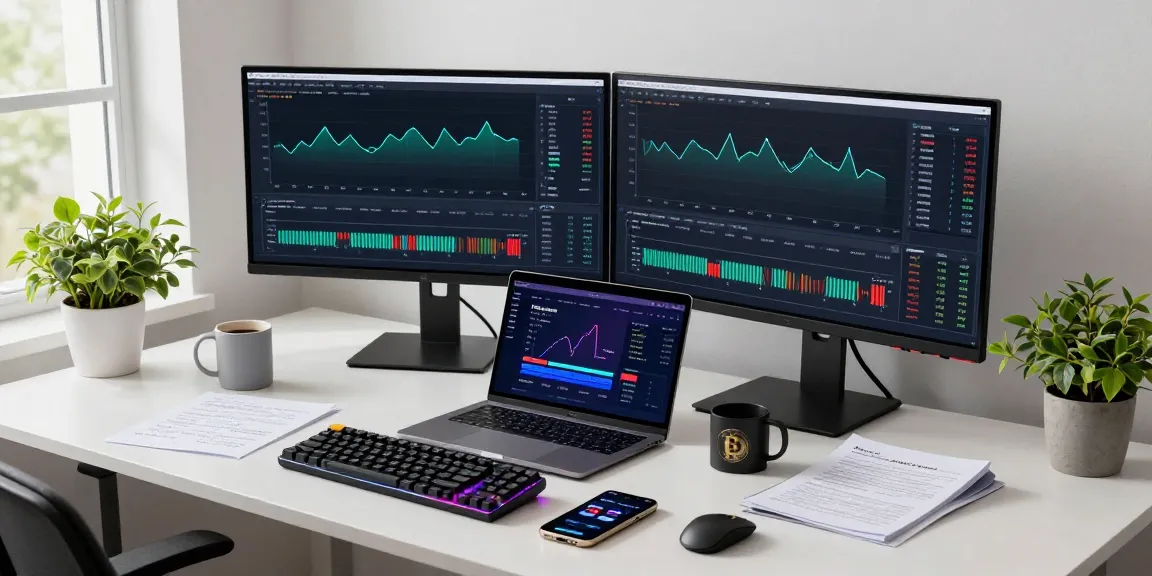
Recuperar USDT robado mediante análisis de gráficos y minucias en un espacio de trabajo profesional con tecnología avanzada y herramientas de cripto.

¿Qué es recuperar USDT robado y por qué es esencial en 2026?

Fundamentos de la blockchain y su funcionamiento

La blockchain es una tecnología revolucionaria que está transformando la forma en que hacemos negocios, almacenamos datos y gestionamos activos en todo el mundo. Su capacidad para ofrecer un registro inmutable y transparente de las transacciones la convierte en un pilar fundamental en diversos sectores, incluidos las finanzas, la cadena de suministro y la identidad digital. En este artículo, exploraremos los fundamentos de la blockchain, su funcionamiento y cómo estas innovaciones están marcando el comienzo de una nueva era en la economía digital. Además, discutiremos cómo en situaciones difíciles, como la recuperación de activos perdidos, opciones como recover stolen usdt pueden ser de gran ayuda.

Qué es la blockchain y cómo funciona

La blockchain, o cadena de bloques, es una estructura de datos que agrupa transacciones en bloques que están interconectados entre sí mediante técnicas criptográficas. Cada bloque contiene un conjunto de transacciones y un hash del bloque anterior, lo que garantiza la seguridad y la integridad de los datos. Una vez que un bloque se añade a la cadena, es extremadamente difícil de alterar, puesto que modificar cualquier información requeriría cambiar todos los bloques posteriores, lo cual es prácticamente imposible en una red descentralizada.

Componentes clave en la tecnología blockchain

Los componentes esenciales de la tecnología blockchain incluyen nodos, criptografía y contratos inteligentes. Los nodos son dispositivos que almacenan y validan el libro mayor distribuido. Por otro lado, la criptografía se utiliza para asegurar las transacciones y la red en general. Los contratos inteligentes son programas que se ejecutan automáticamente cuando se cumplen ciertas condiciones, facilitando la automatización de procesos sin necesidad de intermediarios.

Ventajas de la descentralización en las criptomonedas

La descentralización es uno de los mayores atractivos de la tecnología blockchain. Permite que los usuarios realicen transacciones directamente entre sí sin necesidad de autoridades centrales, lo que no solo reduce los costos de transacción, sino que también aumenta la seguridad y la transparencia. Esto es particularmente útil en criptomonedas como Bitcoin y Ethereum, que han mostrado cómo la descentralización puede cambiar radicalmente el panorama financiero global.

Tipos de criptomonedas y sus casos de uso

Las criptomonedas son más que simples monedas digitales; representan una amplia gama de innovaciones financieras y oportunidades de inversión. Desde criptomonedas utilizadas para pagos, como Bitcoin y Litecoin, hasta plataformas de contratos inteligentes como Ethereum, hay una variedad de usos. Esta diversidad se refleja también en stablecoins como USDT, cuyo diseño busca mantener la paridad con el dólar estadounidense, lo cual proporciona estabilidad en un mercado volátil.

Análisis de USDT y su papel en el mercado

USDT (Tether) es una de las stablecoins más utilizadas, diseñada para mantener un valor equivalente a 1 USD. Su función principal es proporcionar una opción de refugio para los inversores en criptomonedas, permitiéndoles evitar la volatilidad del mercado sin necesidad de convertir sus activos en moneda fiduciaria. La creciente aceptación de USDT en plataformas de intercambio y su uso en transacciones de comercio electrónico resaltan su importancia en el ecosistema de criptomonedas.

Criptomonedas estables: ¿son seguras?

A pesar de los beneficios de las criptomonedas estables, como la reducción de la volatilidad, existen riesgos asociados. Algunos críticos señalan que la falta de transparencia en las reservas de activos que respaldan stablecoins puede crear vulnerabilidades. Por tanto, es crucial investigar cualquier stablecoin antes de invertir, asegurándose de que existen auditorías y pruebas de reservas adecuadas.

Casos de uso de tokens en proyectos DeFi

Los tokens se utilizan en una variedad de aplicaciones dentro del campo de las finanzas descentralizadas (DeFi), que permiten a los usuarios prestar, pedir prestado, intercambiar y ganar intereses sobre sus activos. Esto incluye el uso de AMMs (market makers automáticos) en plataformas como Uniswap o la provisión de garantías en protocolos de préstamos como Aave. Estos casos demuestran cómo DeFi está revolucionando el acceso a servicios financieros.

Configuración segura de la billetera y gestión de claves privadas

La seguridad en la gestión de criptomonedas comienza con la correcta configuración de la billetera y la gestión de las claves privadas. Las claves privadas son fundamentales para acceder y controlar los activos; su pérdida o robo puede resultar en la pérdida irreversible de fondos. Por lo tanto, es crucial comprender cómo proteger eficientemente estas claves y elegir el tipo de billetera que mejor se adapte a las necesidades individuales.

Cómo proteger tu clave privada de posibles ataques

El primer paso en la gestión de claves privadas es mantenerlas fuera de línea siempre que sea posible. Utilizar billeteras frías, que no están conectadas a internet, puede ser una solución efectiva. También se deben implementar medidas como el uso de contraseñas fuertes y la habilitación de la autenticación de dos factores (2FA) donde sea posible.

Comparativa de tipos de billeteras: caliente vs fría

Las billeteras se pueden clasificar en frías y calientes. Las billeteras calientes están conectadas a internet y son más convenientes para las transacciones diarias, mientras que las billeteras frías son más seguras y se utilizan para almacenar fondos a largo plazo. La elección entre una u otra depende de la frecuencia de uso y la cantidad de criptomonedas que el usuario desea mantener.

Prácticas recomendadas para la seguridad de billeteras digitales

Las mejores prácticas para la seguridad de las billeteras incluyen hacer copias de seguridad periódicas, mantener el software actualizado y nunca compartir la clave privada o la frase semilla con nadie. Además, es aconsejable usar billeteras multifirmas para aumentar la seguridad y reducir el riesgo de robo.

Estrategias de trading y métodos de análisis técnico

El trading de criptomonedas puede ser un proceso complejo y volátil. Comprender las estrategias de trading y las técnicas de análisis técnico es esencial para maximizar las ganancias y minimizar las pérdidas. A través de un análisis adecuado, los traders pueden tomar decisiones informadas sobre cuándo comprar o vender.

Cómo analizar gráficos de criptomonedas

El análisis gráfico implica el estudio de patrones de precios y volúmenes para predecir movimientos futuros. Herramientas como gráficos de velas y líneas de tendencia proporcionan insights sobre el comportamiento del mercado y pueden ayudar en la toma de decisiones informadas.

Estrategias comunes de trading para el 2026

Para el año 2026, se espera que las estrategias de trading incluyan métodos como el dollar-cost averaging (DCA), donde los inversores compran una cantidad fija de criptomonedas a intervalos regulares. Esto no solo promedia el costo de adquisición, sino que también reduce la exposición a la volatilidad de precios.

Indicadores técnicos importantes y su aplicación

Los indicadores técnicos, como el índice de fuerza relativa (RSI) y las medias móviles (MA), son herramientas clave en el análisis de criptomonedas. Estos indicadores ayudan a identificar condiciones de sobrecompra o sobreventa, así como tendencias en curso que pueden afectar decisiones de trading.

Protocolos DeFi y optimización de rendimiento

Los protocolos de finanzas descentralizadas están diseñados para ofrecer servicios financieros utilizando tecnología blockchain. Desde el intercambio de activos hasta el préstamo y la obtención de rendimientos, DeFi representa una innovación significativa en cómo interactuamos con el dinero.

Qué es DeFi y cómo beneficia a los inversores

Las DeFi permiten a los usuarios acceder a servicios financieros sin necesidad de intermediarios tradicionales. Esto no solo reduce costos, sino que también democratiza el acceso a herramientas de inversión y financiamiento, lo que beneficia a un número mayor de individuos alrededor del mundo.

Cómo maximizar rendimientos mediante yield farming

El yield farming, o cultivo de rendimientos, es una estrategia en DeFi donde los usuarios proporcionan liquidez a los protocolos para recibir recompensas. A través de la provisión de activos a pools, los inversores pueden ganar intereses significativos, pero deben entender y gestionar los riesgos asociados.

Riesgos asociados a plataformas DeFi y cómo mitigarlos

A pesar de los beneficios, las plataformas DeFi no están exentas de riesgos. Los bugs en contratos inteligentes, la posible falta de supervisión regulatoria y el riesgo de ataques a la liquidez son factores a considerar. Realizar auditorías de contratos y estar al tanto de las buenas prácticas de seguridad son maneras clave de mitigar estos riesgos.

¿Cómo recuperar USDT robado?

Recuperar USDT robado puede ser un proceso complejo. La colaboración con expertos en recuperación y el uso de análisis forense blockchain son pasos necesarios para intentar recuperar los fondos perdidos. Las autoridades, como el DHS y el FBI, pueden ser aliados cruciales en tales casos de recuperación.

Coaliciones con agencias de cumplimiento y seguridad

Las colaciones con entidades como la Oficina del Fiscal General, y otras agencias de cumplimiento, son indispensables en el proceso de recuperación de activos. Estas instituciones ayudan a fortalecer la lucha contra el fraude y garantizan que los estafadores sean responsabilizados.

Recursos sobre recuperación y prevención de fraudes

Es importante estar informado sobre los recursos disponibles para la recuperación de activos en el caso de fraudes. Desde servicios gratuitos de evaluación de casos hasta estrategias avanzadas de análisis forense, las opciones son variadas y pueden ser accesibles para quienes han sido víctimas.

Tendencias futuras en tecnología blockchain

A medida que la tecnología blockchain continúa evolucionando, se anticipan nuevas tendencias que probablemente definirán la próxima década. Desde el creciente enfoque en la escalabilidad de la red hasta la implementación más amplia de soluciones de privacidad, la innovación seguirá siendo un motor clave en este espacio.

Cambio en la regulación de criptomonedas en 2026

La regulación de criptomonedas está en constante evolución y se espera que en 2026 haya un marco más definido. La cooperación internacional y el desarrollo de normativas de buenas prácticas ayudarán a legitimar las criptomonedas en el sistema financiero global.

¿Cuál será el futuro del trading de criptomonedas?

El futuro del trading de criptomonedas parece prometedor, con el aumento de la adopción y la tecnología mejorándose constantemente. Sin embargo, mantener la prudencia y seguir educándose sobre las mejores prácticas será clave para navegar en este ámbito volátil.

Preguntas frecuentes sobre la recuperación de cripto

Con el aumento en la actividad fraudulenta en el espacio criptográfico, muchos se preguntan cómo pueden protegerse y qué pasos deben seguir si se convierten en víctimas de fraude. La educación y la conciencia son vitales para prevenir pérdidas futuras.

¿Es posible recuperar criptomonedas robadas?

La recuperación de criptomonedas robadas es posible, pero no garantizada. La rapidez de acción y la colaboración con expertos en recuperación pueden aumentar las posibilidades de éxito. Igualmente, una buena documentación y evidencia sólida son fundamentales para evaluar cualquier situación.

¿Qué pasos seguir si he caído en una estafa?

Los pasos inmediatos incluyen documentar la estafa, informar a las autoridades locales y contactar con expertos en recuperación de activos. Cada minuto cuenta en estas situaciones, por lo que actuar rápidamente es crucial.

¿Cómo puedo verificar la legitimidad de una plataforma de recuperación?

Es fundamental investigar la reputación de cualquier plataforma de recuperación antes de comprometerse. For more information, recover stolen usdt offers valuable insights. Evaluar las opiniones de otros usuarios, comprobar si están registradas y si tienen asociaciones con organismos reguladores puede ofrecer una idea clara sobre su legitimidad.

Key Strategies for Effective Personal Finance Management

Understanding Personal Finance Basics

Personal finance is the cornerstone of financial literacy, encompassing everything from budgeting to investment strategies. It serves as the foundation for making informed financial decisions that align with your short and long-term goals. In this section, we’ll delve into the essential elements of personal finance, starting with the critical importance of budgeting.

The Importance of Budgeting

Budgeting is the process of creating a plan to manage your income and expenditures effectively. It allows individuals to track their financial activities, helping them understand where their money goes. A well-structured budget empowers you to prioritize spending and save for future goals.

According to a 2022 survey by the National Endowment for Financial Education, about 60% of Americans do not use a budget. This lack of planning leads to overspending and financial stress. Here are some practical steps to create an effective budget:

  1. Identify your income sources: Include all sources of income, such as salaries, bonuses, and side hustles.
  2. Track your expenses: Record all expenditures for at least a month to understand your spending habits.
  3. Categorize your expenses: Divide expenses into fixed (rent, utilities) and variable (entertainment, groceries) categories.
  4. Set financial goals: Define short-term and long-term goals, such as saving for a vacation or retirement.
  5. Review and adjust: Regularly revisit your budget to make necessary adjustments based on changes in income or expenses.

For example, consider Jane, who earns $3,000 monthly. After tracking her expenses, she discovers she spends $1,000 on rent, $300 on groceries, and $400 on entertainment. By categorizing her expenses, Jane identifies areas where she can cut back, allowing her to allocate more funds toward her savings.

Building an Emergency Fund

An emergency fund is a critical component of personal finance, providing a financial cushion during unexpected events like job loss or medical emergencies. Financial experts recommend saving three to six months’ worth of living expenses in an easily accessible account.

Building an emergency fund requires discipline and a strategic approach:

  • Set a target: Determine how much money you need to save based on your monthly expenses.
  • Automate your savings: Set up automatic transfers from your checking to your savings account to ensure consistent contributions.
  • Start small: If saving a large sum feels daunting, begin with a small, manageable amount and gradually increase it.

For instance, if your monthly expenses total $2,000, aim for an emergency fund of $6,000. By saving $500 each month, you can reach your goal in just a year. This financial cushion will alleviate stress and allow you to navigate life’s uncertainties with confidence.

Understanding Credit Scores

Your credit score is a numerical representation of your creditworthiness, playing a vital role in personal finance. Ranging from 300 to 850, a higher score indicates a lower risk to lenders. Factors influencing your credit score include payment history, credit utilization, length of credit history, types of credit in use, and new credit inquiries.

Understanding and improving your credit score is essential for securing loans, credit cards, and favorable interest rates:

  • Pay bills on time: Late payments can significantly impact your score.
  • Keep credit utilization low: Aim to use less than 30% of your available credit.
  • Maintain a mix of credit: Having different types of credit (credit cards, installment loans) can positively impact your score.
  • Regularly check your credit report: Review your credit report for errors and dispute any inaccuracies.

For example, if Sarah has a credit score of 680 and wants to improve it, she could focus on paying down credit card debt and ensuring her payments are consistently made on time. Over several months, these changes could elevate her score, enabling her to qualify for a lower mortgage rate.

Investment Fundamentals

Investing is crucial for building wealth and achieving financial independence. It involves allocating resources, usually money, to generate returns over time. Understanding investment fundamentals is essential for making informed decisions that align with your financial goals.

Types of Investment Vehicles

Investment vehicles are channels through which investors can allocate their money into different assets. Here are some common types:

  • Stocks: Shares of ownership in a company, offering potential for high returns.
  • Bonds: Debt securities issued by corporations or governments, providing fixed interest payments.
  • Mutual Funds: Pooled investments managed by professionals, allowing diversification across various assets.
  • Exchange-Traded Funds (ETFs): Similar to mutual funds but traded on stock exchanges like individual stocks.
  • Real Estate: Property investments that can generate rental income and appreciate in value.

For instance, if you invest in a diversified mutual fund, you’re not just buying shares of one company; you’re investing in a portfolio of stocks, helping to mitigate risk. A balanced approach that includes various investment vehicles can enhance your overall investment strategy.

Risk vs. Return in Investing

The relationship between risk and return is fundamental to investing. Generally, higher potential returns come with higher risk. Understanding your risk tolerance—how much risk you are willing to take for potential returns—is crucial for making sound investment decisions.

Investors often use the risk-return spectrum to guide their choices:

  • Low-risk investments: Savings accounts, government bonds, and blue-chip stocks typically offer lower returns but are more stable.
  • Moderate-risk investments: Corporate bonds and balanced mutual funds provide a mix of safety and growth potential.
  • High-risk investments: Startups, emerging markets, and cryptocurrencies can yield significant returns but come with considerable risk.

Consider John, a conservative investor nearing retirement. He might prefer a portfolio consisting of 70% bonds and 30% stocks, ensuring stability while still allowing for modest growth. In contrast, a young investor like Emily might opt for a portfolio with 80% stocks to capitalize on potential growth, accepting higher volatility for greater long-term gains.

Creating a Diversified Portfolio

Diversification is a risk management strategy that involves spreading investments across various assets to minimize exposure to any single asset or risk. A well-diversified portfolio can help protect against market fluctuations and enhance overall returns.

Here’s how to create a diversified portfolio:

  1. Assess your investment goals: Determine your time horizon and risk tolerance.
  2. Include various asset classes: Invest in a mix of stocks, bonds, and real estate to reduce risk.
  3. Consider different sectors: Diversify within asset classes by investing in different industries such as technology, healthcare, and consumer goods.
  4. Geographical diversification: Invest in both domestic and international markets to mitigate regional risks.

For example, a diversified portfolio might consist of 50% U.S. stocks, 20% international stocks, 20% bonds, and 10% real estate. This allocation can help cushion against downturns in any one sector or asset class, leading to more stable long-term growth.

Intermediate Financial Strategies

Once foundational financial principles are understood, individuals can explore intermediate strategies that enhance their financial health and prepare them for future growth. This includes tax planning, retirement planning, and effective debt management.

Tax Planning and Optimization

Tax planning involves strategizing your financial activities to minimize tax liabilities while maximizing deductions and credits. Effective tax planning can significantly impact your overall financial situation.

Here are some practical tax planning strategies:

  • Utilize tax-advantaged accounts: Contributing to retirement accounts like 401(k)s and IRAs can reduce your taxable income.
  • Claim eligible deductions: Keep track of expenses such as mortgage interest, student loan interest, and medical expenses.
  • Consider capital gains: Be aware of the tax implications of selling investments to optimize your gains.
  • Consult a tax professional: A qualified tax advisor can provide tailored strategies based on your unique financial situation.

For example, if Mark contributes $6,000 to his IRA, he can reduce his taxable income by that amount, potentially saving hundreds in taxes. Proper tax planning allows individuals to keep more of their hard-earned money.

Retirement Planning Options

Retirement planning is critical for ensuring financial security in your later years. It involves determining how much money you will need and how to accumulate that amount through various savings and investment strategies.

Consider these essential components of a solid retirement plan:

  • Determine your retirement goals: Estimate your desired retirement age and lifestyle to calculate necessary savings.
  • Utilize employer-sponsored plans: Maximize contributions to employer-matching retirement plans like 401(k)s.
  • Explore IRAs: Consider traditional or Roth IRAs for additional tax-advantaged retirement savings.
  • Invest wisely: Choose a diversified investment strategy that aligns with your retirement timeline.

For instance, if Lisa wants to retire at 65 with an annual income of $50,000, she should factor in her current savings, expected Social Security benefits, and investment growth to develop a comprehensive plan.

Debt Management Techniques

Effective debt management is crucial for maintaining financial stability. High levels of debt can hinder your ability to save and invest, impacting your overall financial health.

Consider these techniques for managing debt:

  • Prioritize high-interest debt: Focus on paying off debts with the highest interest rates first, such as credit cards.
  • Consider debt consolidation: Combine multiple debts into a single loan with a lower interest rate to simplify payments.
  • Negotiate with creditors: Discuss payment plans or reduced settlements if you’re struggling to meet obligations.
  • Track your spending: Create a budget to identify areas where you can cut expenses and allocate more to debt repayment.

For example, if Tom has $10,000 in credit card debt at 20% interest, he can prioritize paying this off first while making minimum payments on lower-interest loans, thereby saving money on interest in the long run.

Advanced Investment Strategies

For those who have grasped basic and intermediate investment principles, advanced strategies can further enhance wealth-building potential. This section focuses on market analysis, derivatives, and macroeconomic factors that influence investment performance.

Analyzing Market Trends and Indicators

Market analysis involves studying various economic indicators and trends to make informed investment decisions. Key indicators include interest rates, inflation, unemployment rates, and GDP growth.

Here’s how to analyze market trends effectively:

  • Stay informed: Regularly read financial news and reports to understand current market conditions.
  • Use technical analysis: Employ charts and historical data to identify patterns and forecast future price movements.
  • Monitor economic indicators: Pay attention to changes in interest rates and inflation, as they can impact market performance.

For instance, if analysts forecast rising inflation, an investor might consider shifting their portfolio toward assets that typically perform well during inflationary periods, such as commodities or real estate.

Utilizing Derivatives and Options

Derivatives and options are advanced financial instruments that can be used to hedge risk or speculate on market movements. While they can offer significant rewards, they also come with increased risk and complexity.

Understanding these instruments requires knowledge of their mechanics:

  • Options: Contracts that give the holder the right to buy or sell an underlying asset at a predetermined price within a specific time frame.
  • Futures: Agreements to buy or sell an asset at a future date and price, often used for hedging against price fluctuations.
  • Swaps: Contracts that allow parties to exchange cash flows or liabilities from different financial instruments.

For example, an investor might purchase a call option on a stock they believe will rise, allowing them to buy the stock at a lower price if their prediction is correct. However, options can expire worthless, so careful analysis and strategy are crucial.

Impact of Macroeconomic Factors on Investments

Macroeconomic factors, such as fiscal policy, monetary policy, and global economic conditions, play a significant role in shaping investment landscapes. Understanding these factors can provide insights into potential market movements.

Key macroeconomic influences include:

  • Interest rates: Higher rates can dampen consumer spending and borrowing, impacting corporate profits and stock prices.
  • Inflation: Rising inflation can erode purchasing power and influence central bank policies, affecting bond and stock market performance.
  • Global events: Geopolitical tensions and trade agreements can significantly impact market stability and investor sentiment.

For instance, if the Federal Reserve signals an interest rate hike, investors might anticipate a slowdown in economic growth, prompting them to reassess their equity positions in favor of more stable investments like bonds.

Financial Technology and Future Trends

The rise of financial technology (FinTech) has transformed how individuals manage their finances, invest, and interact with financial institutions. As technology continues to evolve, it is essential to stay informed about emerging trends that can impact personal finance.

Emergence of Cryptocurrency and Blockchain

Cryptocurrency represents a revolutionary approach to digital currency, utilizing blockchain technology to enable secure transactions without intermediaries. While still a nascent market, cryptocurrencies have garnered significant attention and investment.

Here are some key considerations for individuals interested in cryptocurrency:

  • Research and education: Understand different cryptocurrencies (e.g., Bitcoin, Ethereum) and their underlying technologies before investing.
  • Be cautious of volatility: Cryptocurrency markets are highly volatile; prices can fluctuate dramatically in short periods.
  • Explore blockchain applications: Beyond currency, blockchain technology is being used for smart contracts, supply chain management, and more.

For example, if an investor allocates a small percentage of their portfolio to Bitcoin, they can potentially benefit from high returns while accepting the associated risks of this emerging asset class.

Robo-Advisors and Automated Investing

Robo-advisors are automated platforms that provide investment management services with minimal human intervention. They use algorithms to create and manage diversified portfolios tailored to individual risk tolerances and investment goals.

Benefits of using robo-advisors include:

  • Lower fees: Robo-advisors typically charge lower management fees compared to traditional financial advisors.
  • Accessibility: Many platforms allow users to start investing with minimal capital, making investing more accessible.
  • Automated rebalancing: Robo-advisors automatically adjust portfolios to maintain desired asset allocations over time.

For instance, platforms like Betterment and Wealthfront allow users to set their investment preferences and automatically manage their portfolios, making investing less daunting for beginners.

Personal Finance Apps: Tools for Better Management

The rise of personal finance apps has empowered individuals to take control of their financial lives. These applications provide tools for budgeting, tracking expenses, and managing investments, all from the convenience of a smartphone.

Key features to look for in personal finance apps include:

  • Budgeting tools: Look for apps that allow you to easily categorize and track spending.
  • Investment tracking: Some apps provide insights into your investment portfolio’s performance and asset allocation.
  • Goal setting: Features that help you set and monitor financial goals can enhance motivation and accountability.

For example, apps like Mint and YNAB (You Need a Budget) have gained popularity for their user-friendly interfaces and comprehensive features, helping users manage their finances efficiently.